The Vital Role of Commercial Venting Systems
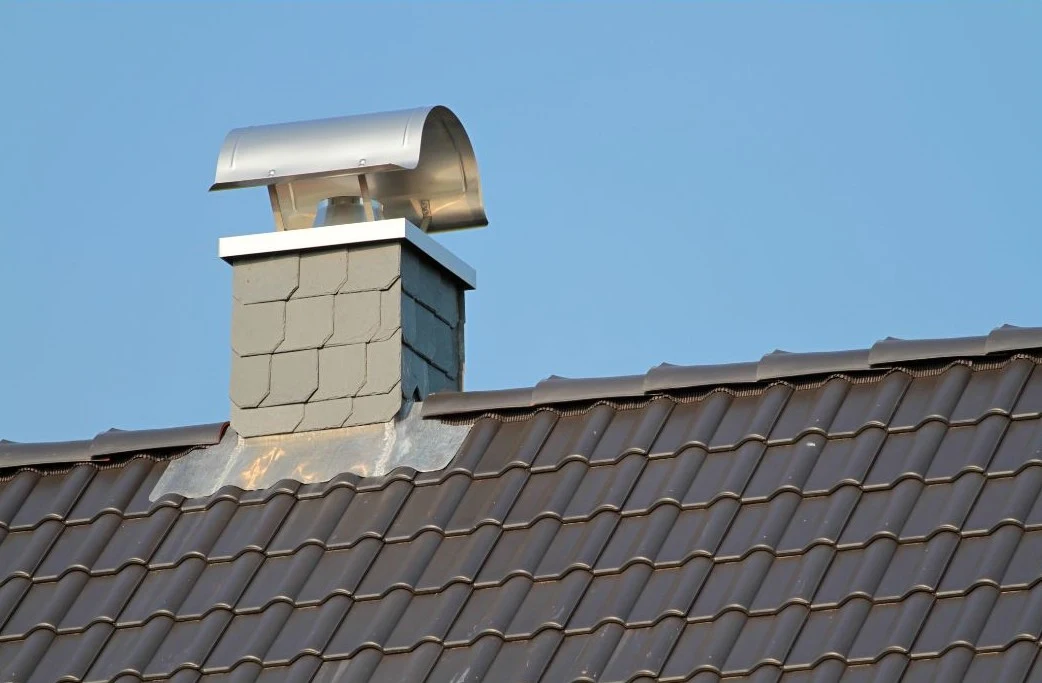
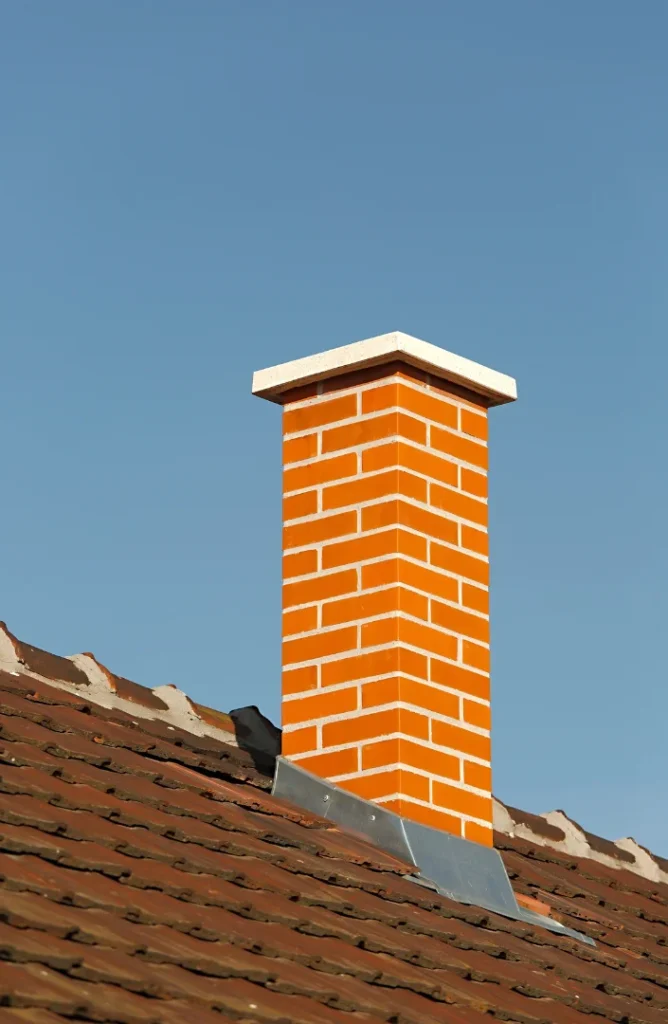
A commercial chimney is more than just a stone or metal stack on your roof. It is a sophisticated exhaust system designed to whisk away toxic gases, high-heat combustion byproducts, and grease-laden vapors from your building’s interior. In a commercial setting, these systems are frequently connected to heavy-duty boilers, large-scale pizza ovens, or massive water heating units. Because these appliances run almost constantly, the chimney undergoes significant thermal expansion and contraction. Over time, this stress can lead to structural degradation or the accumulation of dangerous substances like creosote and soot. When a commercial chimney fails to draft properly, it doesn’t just affect energy efficiency; it introduces the risk of carbon monoxide intrusion and devastating structure fires.
Recognizing the Signs That Your Facility Needs Service
Experienced technicians look for specific “red flags” that indicate a chimney is no longer performing at peak capacity. One of the most common signs is a noticeable odor of soot or grease inside the building, which often suggests a backdrafting issue. You might also notice that your heating bills are climbing despite no change in usage, as a clogged or poorly lined chimney forces your appliances to work harder to push exhaust out. On the exterior of the building, keep an eye out for white salt-like staining, known as efflorescence, on the masonry, or visible cracks in the chimney crown. These are signals that moisture is penetrating the system, which can lead to a total structural collapse if left unaddressed. If your carbon monoxide detectors trigger, even momentarily, it is an emergency situation that requires an immediate professional inspection.
Comprehensive Cleaning and Soot Removal
The primary goal of a professional commercial cleaning is the removal of flammable deposits. In wood-burning commercial setups, such as artisan bakeries or steakhouse grills, the main culprit is creosote. This oily, sticky substance is highly combustible and is the leading cause of chimney fires. In gas-fired or oil-fired commercial boiler systems, the concern shifts toward fine soot and acidic condensates. These materials can coat the interior of the flue, causing corrosion in metal liners or “spalling” in masonry tiles, where the surface of the brick begins to flake off and block the airway. Our cleaning process involves heavy-duty brushes and high-powered vacuum systems specifically designed to handle the scale of commercial flues, ensuring that every inch of the venting path is clear of obstructions and debris.
Professional Inspections and Compliance
In the commercial sector, documentation is just as important as the physical labor. Many insurance providers and local fire departments require proof of annual chimney inspections to maintain your policy or operating permit. We perform what the industry refers to as Level 1 and Level 2 inspections. A Level 1 inspection is a routine visual check of the readily accessible parts of the chimney. However, for most commercial clients, we recommend a Level 2 inspection. This involves the use of specialized internal cameras that travel the full length of the flue. These cameras allow us to see hidden cracks, gaps in the liner, or internal obstructions that would be invisible to the naked eye. Providing you with a detailed report and video footage ensures you have the paper trail necessary for compliance and peace of mind.