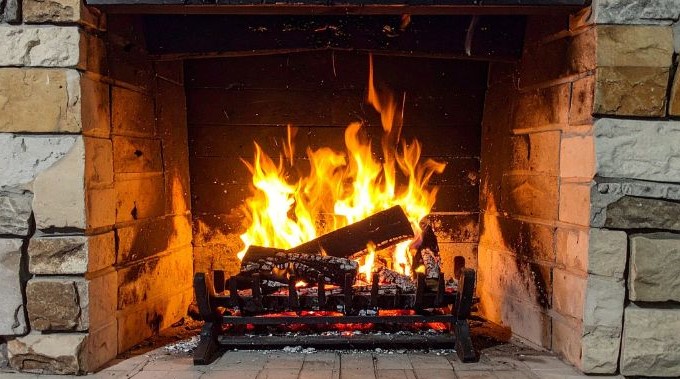
Fireplace inserts are designed to transform traditional fireplaces into efficient, controlled heating systems. Instead of losing heat through the chimney like many older open fireplaces do, inserts are built as sealed units that direct heat into the room while safely venting exhaust gases.
From a technician perspective, inserts are one of the best upgrades you can make if you want reliable heat output without the maintenance demands of an open fireplace. Whether you choose gas, wood, or pellet inserts, the goal is the same. Improve heating performance, increase safety, and reduce energy loss.
Why Professional Installation and Inspection Matter
Installing a fireplace insert is not just about placing a unit inside an existing firebox. Proper installation requires evaluating chimney structure, liner condition, airflow requirements, and venting configuration. Every insert must be matched to the chimney system to ensure safe operation.
During installation, technicians check flue dimensions, chimney height, masonry condition, and draft performance. In many cases, a new liner is installed to match the insert specifications and improve overall safety.
After installation, regular inspections are critical. Even high efficiency inserts can develop buildup, venting restrictions, or component wear over time. Annual inspections help confirm the system is operating as designed and help extend the life of both the insert and chimney structure.
Recognized and certified by leading national safety and chimney organizations
Long Term Value of Maintaining Your Fireplace Insert
Routine maintenance keeps inserts operating efficiently and helps avoid performance loss over time. Clean systems produce better heat output, operate more quietly, and reduce fuel consumption.
Regular service also protects manufacturer warranties and helps maintain property value. During home sales or inspections, documented insert maintenance helps demonstrate system reliability and safety.
From years of field experience, inserts that receive consistent maintenance almost always last significantly longer and perform better than systems that are only serviced when something stops working.
Schedule Your Fireplace Insert Service Today
If you are considering installing a fireplace insert, or if your current insert has not been inspected within the past year, now is the right time to schedule a professional evaluation.
At Top One Chimney Sweep Seattle, we provide insert installation support, safety inspections, chimney cleaning, liner evaluations, and full system diagnostics. Our team works with gas, wood, and pellet inserts in both residential and commercial properties.
Contact us today to schedule your fireplace insert consultation and make sure your system is safe, efficient, and ready to perform when you need it most.
Chimney repair and cap installation completed in Monroe, WA to restore a damaged chimney crown and protect the flue from moisture, debris, and long term deterioration.
Below are answers to some of the most common questions we receive about Fireplace Inserts.
How do I know if my fireplace can support an insert?
Most masonry fireplaces can support an insert, but a professional inspection is required first. The chimney structure, flue size, liner condition, and overall airflow must be evaluated to ensure safe and efficient operation.
Are fireplace inserts more efficient than traditional fireplaces?
Yes. Inserts are designed as sealed heating systems, which helps push more heat into the room instead of losing it through the chimney. Many homeowners notice improved heating performance and reduced energy costs after installation.
Do fireplace inserts still require chimney cleaning?
Yes. Wood inserts can still create creosote buildup, and even gas inserts rely on clean venting systems. Cleaning helps maintain airflow and reduces fire and safety risks.
What are signs that my fireplace insert needs service?
Reduced heat output, strange odors, slow ignition, visible soot buildup, or unusual noises are all signs that service may be needed. If you notice any changes in performance, it is best to schedule an inspection.
How long do fireplace inserts usually last?
With proper installation and regular maintenance, many inserts can last 15 to 25 years or more. Consistent inspections and cleaning help extend system lifespan and maintain safe operation.