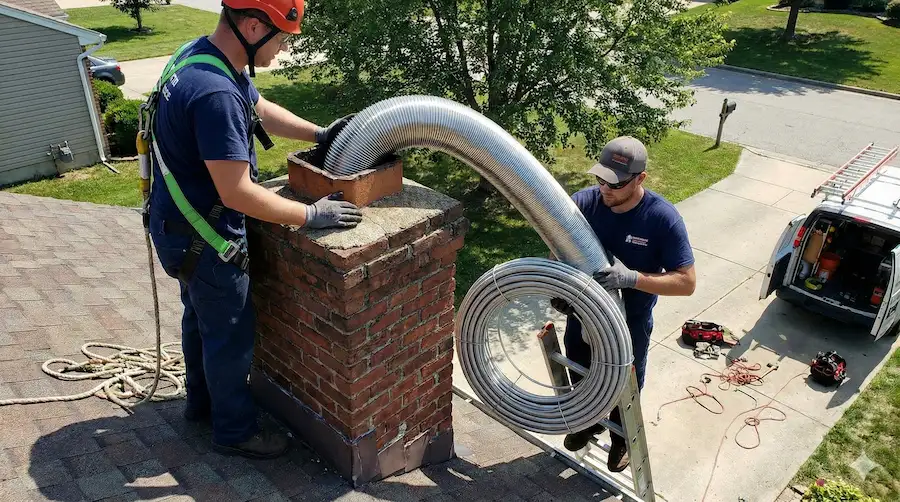
Professional Chimney Relining Services

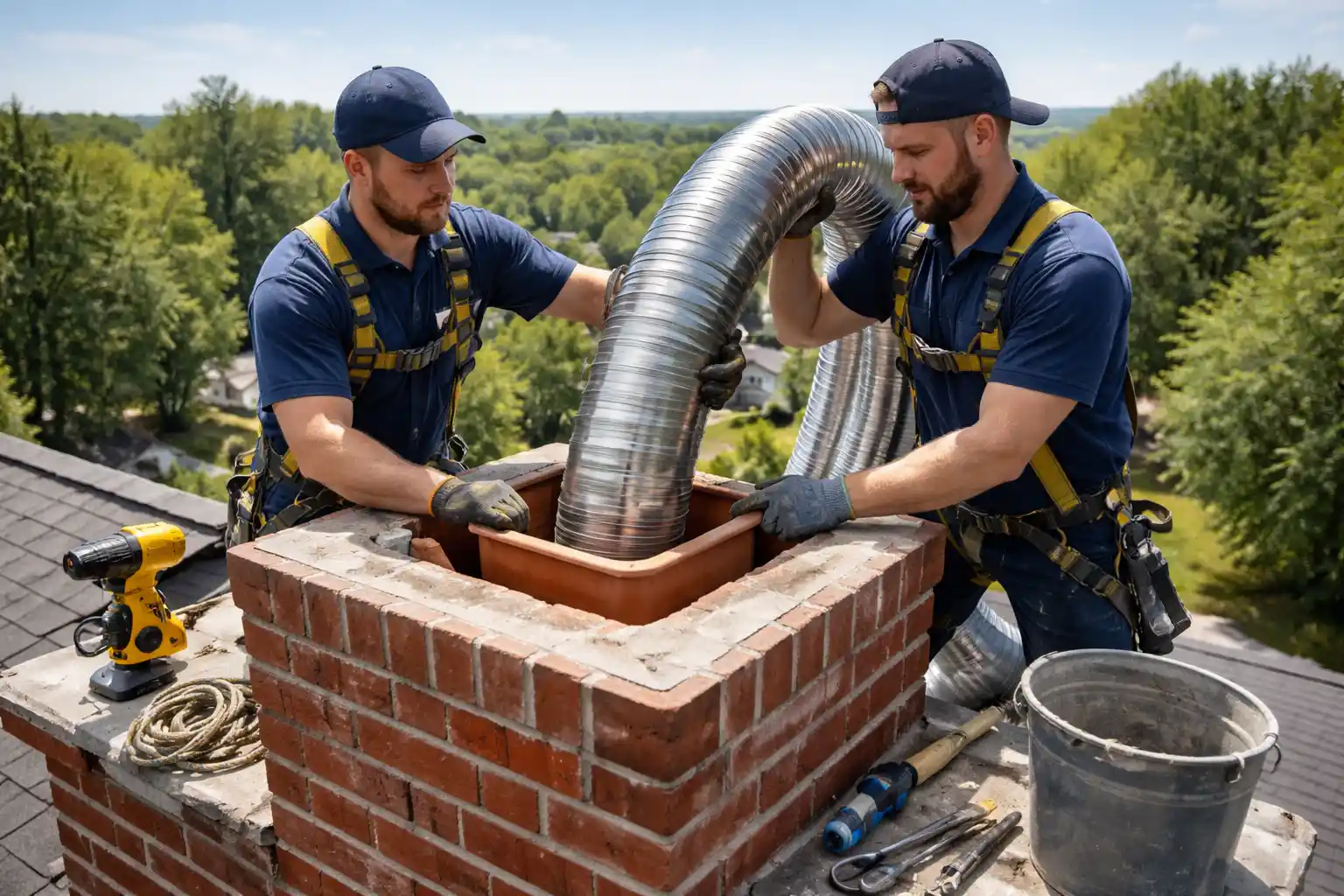
Chimney relining is essential when the existing liner is damaged, deteriorated, or no longer meets safety requirements. Over time, heat, moisture, and corrosive byproducts can cause liners to crack or wear down, creating serious safety and performance concerns. Our chimney relining services restore the interior venting system by installing a new, properly sized liner designed to safely contain heat, smoke, and gases. A correctly relined chimney improves reliability and reduces risks associated with aging or failing liner systems. It also helps ensure your fireplace or heating appliance operates safely and efficiently.

About the service

When Chimney Relining Is the Right Solution

Not all chimney issues require full replacement, especially when the chimney structure itself remains stable and intact. Chimney relining is often the best solution when the liner has cracked, deteriorated, or no longer meets current safety standards. These issues can lead to poor draft, smoke problems, increased creosote buildup, and reduced heating efficiency. Relining corrects these problems by restoring a sealed and properly sized venting pathway without the need to rebuild the entire chimney.

Relining is also commonly required when a heating appliance is replaced or upgraded. Changes in fuel type or appliance efficiency can affect venting requirements, making an existing liner unsafe or incompatible. By relining the chimney, proper airflow is restored and the system is brought back into compliance with current codes. This approach provides a long term safety improvement while preserving the existing chimney structure and avoiding the higher cost of full replacement.
NFPA-Member-Top-One-Chimney-Sweep
NCSG-Member-Top-One-Chimney-Sweep
NFI-Certified-Top-One-Chimney-Sweep
F.I.R.E-Certified-Inspector-Top-One-Chimney-Sweep
CSIA-Certified-1-Top-One-Chimney-Sweep
CSIA-Certified-2-Top-One-Chimney-Sweep

Recognized and certified by leading national safety and chimney organizations

How Our Chimney Relining Service Works

Our chimney relining service begins with a thorough inspection of the chimney interior to assess the condition, size, and compatibility of the existing liner. This evaluation helps determine the correct liner type and ensures the new system will function properly with your fireplace or heating appliance. Once relining is recommended, we carefully prepare the chimney to allow for proper installation and secure fit.

The new liner is then professionally installed to create a continuous, sealed pathway from the appliance to the chimney top. Proper insulation and connections are included to support safe operation and consistent draft. After installation, the system is checked to confirm airflow, venting performance, and overall safety. The result is a relined chimney designed to deliver reliable performance, improved efficiency, and long term protection for your home.

The results

Our Latest Projects

Real results from homes in your neighborhood

Brick chimney before chimney cap installation during chimney repair in Monroe WA

Monroe, WA

Chimney Crown Repair and Cap Installation

Chimney repair and cap installation completed in Monroe, WA to restore a damaged chimney crown and protect the flue from moisture, debris, and long term deterioration.
404 Page

Kirkland, WA

Chimney Repair

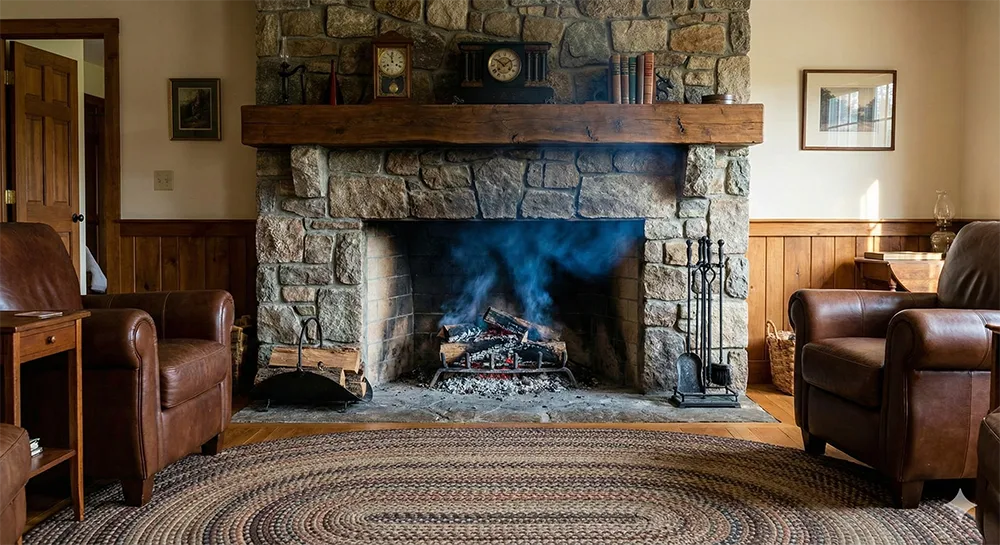
this chimney cleaning project focused on restoring safety, improving airflow, and ensuring reliable performance

Frequently Asked Questions

Frequently Asked Questions About Chimney Relining

Chimney relining is an important safety service, and many homeowners have questions about when it is needed and what it involves. The answers below explain how chimney liners work, why relining matters, and what to expect from the process so you can make informed decisions about your chimney system.
A chimney liner is a protective layer installed inside the chimney that safely carries smoke, heat, and exhaust gases out of the home. It also protects the chimney structure from high temperatures and corrosive byproducts created during combustion. Without a properly functioning liner, heat and gases can escape into surrounding materials, increasing the risk of fire and long term damage.
Yes. Chimney relining focuses on restoring the interior venting system while keeping the existing chimney structure intact. As long as the chimney itself is structurally sound, relining provides a safe and effective solution without the need for full replacement.
Stainless steel liners are commonly recommended because they are durable, heat resistant, and compatible with many fuel types. The correct liner type and size depend on the chimney design and the appliance being vented, which is why a professional evaluation is important.
Yes. A properly installed liner helps contain heat within the flue and prevents flames or hot gases from reaching surrounding materials. Relining also reduces creosote related fire risks by improving draft and containment.
With quality materials, proper installation, and routine maintenance, a chimney liner can last several decades. Regular inspections help ensure continued safe performance over time.