How Gas Fireplaces Really Work

Gas fireplaces are generally considered low maintenance compared to wood-burning systems, but they still need regular service for safe and efficient operation. Unlike traditional fireplaces, gas units depend on precise airflow, sealed venting, and calibrated gas components to function properly.

Most performance issues are not due to the gas line itself, but rather venting blockages, dirty burners, faulty ignition systems, or worn seals. Since these systems are designed to burn cleanly, even minor disruptions in airflow or fuel delivery can impact flame quality, heat output, and safety.
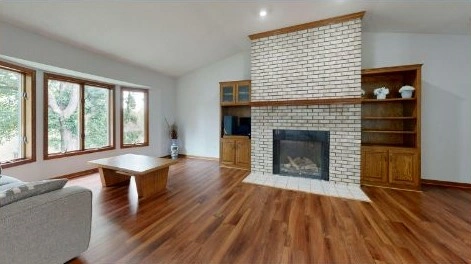
Traditional living room with white brick fireplace, wooden shelves, and large windows.

About the service

Why Regular Gas Fireplace Service Is Still Critical

Many homeowners assume that because gas burns cleaner, service is optional. The reality is that dust buildup, pet hair, lint, and debris can accumulate inside burner trays and control compartments. Over time, this buildup affects ignition reliability and can create uneven flame patterns.
Annual service also allows technicians to check for gas leaks, vent obstructions, and carbon monoxide risks. These checks are especially important in sealed direct vent systems, where airflow balance is critical.
For properties that use gas fireplaces as a primary heat source, routine inspections help maintain efficiency and extend equipment lifespan. Preventive service almost always costs less than emergency repairs or full unit replacements.

How Gas Fireplace Service Connects to Chimney and Venting Maintenance

Gas fireplaces still rely on properly functioning venting systems, even when they do not use traditional masonry chimneys. During service visits, we inspect vent pipes, termination caps, and connection points to ensure proper exhaust flow.
If buildup is found inside venting systems, professional vent cleaning may be recommended. For homes with both gas and wood burning systems, full chimney inspections may also be advised to ensure the entire structure remains safe and structurally sound.
In some cases, we also recommend cap replacement, minor masonry repairs around vent exits, or liner inspections for older converted systems. These supporting services help maintain overall system safety and performance.
NFPA-Member-Top-One-Chimney-Sweep
NCSG-Member-Top-One-Chimney-Sweep
NFI-Certified-Top-One-Chimney-Sweep
F.I.R.E-Certified-Inspector-Top-One-Chimney-Sweep
CSIA-Certified-1-Top-One-Chimney-Sweep
CSIA-Certified-2-Top-One-Chimney-Sweep

Recognized and certified by leading national safety and chimney organizations

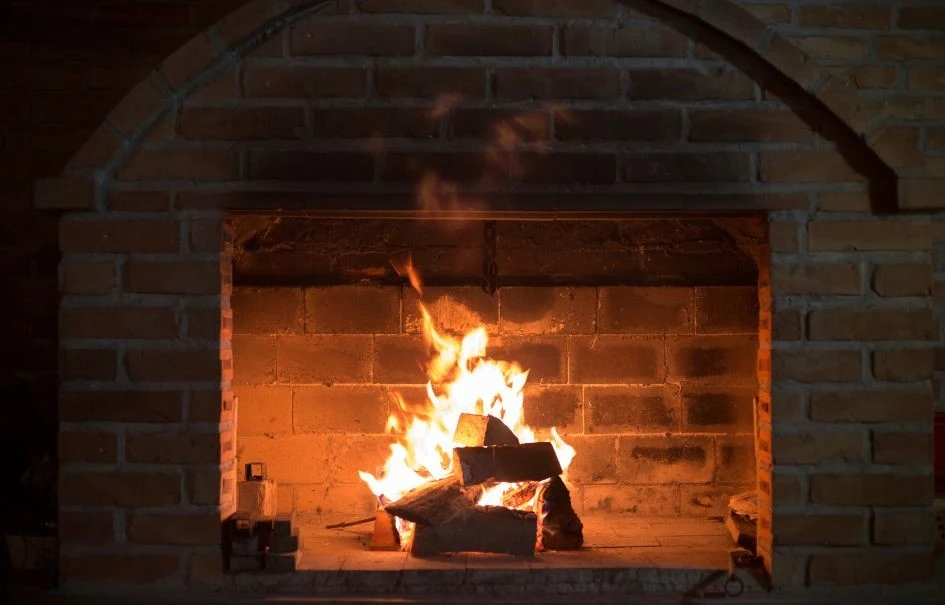
A cozy fireplace burning logs with a bright flame.

Long Term Benefits of Professional Gas Fireplace Maintenance

Routine service helps gas fireplaces operate the way they were designed to. Clean burners produce better heat distribution, properly calibrated gas valves improve efficiency, and sealed venting systems reduce heat loss.
Regular maintenance also protects manufacturer warranties and helps support home inspection reports during property sales. From a technician perspective, systems that receive annual service almost always last significantly longer than systems that are only serviced when something breaks.
The goal of professional maintenance is not just fixing problems. It is preventing them before they impact your comfort, safety, or budget.

Schedule Your Gas Fireplace Service Today

If your gas fireplace has not been serviced within the past year, or if you have noticed changes in flame quality, ignition speed, or heating performance, it is time for a professional inspection.
At Top One Chimney Sweep, we provide complete gas fireplace inspections, burner cleaning, ignition system testing, venting inspections, and full system safety evaluations. Our team works with both residential and commercial systems and focuses on clear recommendations and reliable long term solutions.

Contact us today to schedule your gas fireplace service and ensure your system is operating safely, efficiently, and ready for the seasons ahead.
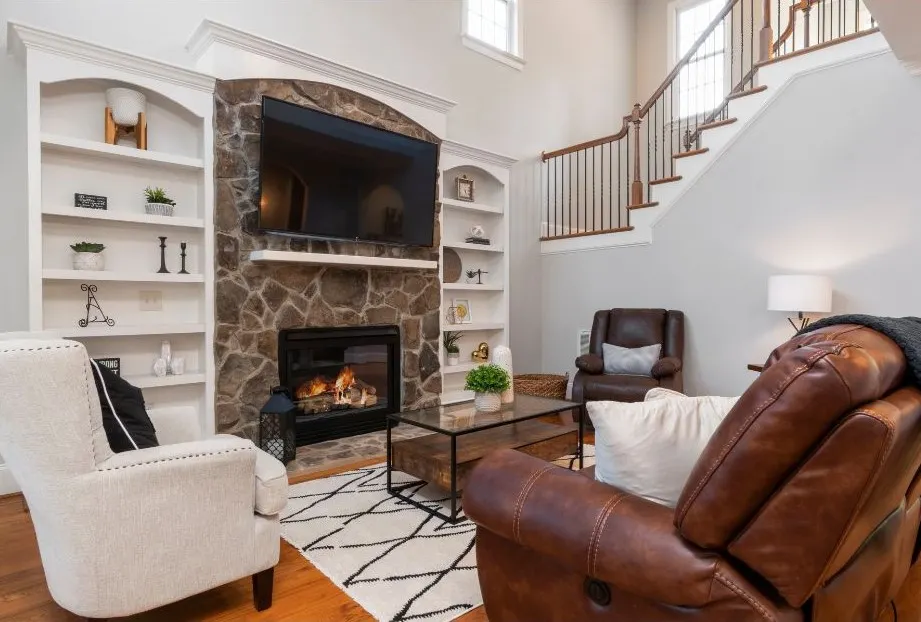
Cozy living room with a stone fireplace and modern decor.

The results

Our Latest Projects

Real results from homes in your neighborhood

Brick chimney before chimney cap installation during chimney repair in Monroe WA

Monroe, WA

Chimney Crown Repair and Cap Installation

Chimney repair and cap installation completed in Monroe, WA to restore a damaged chimney crown and protect the flue from moisture, debris, and long term deterioration.
404 Page

Kirkland, WA

Chimney Repair

this chimney cleaning project focused on restoring safety, improving airflow, and ensuring reliable performance

Frequently Asked Questions

Gas Fireplaces – Frequently Asked Questions

Below are answers to some of the most common questions we receive about Gas Fireplaces .
Gas fireplaces should typically be inspected and serviced once per year. Annual service helps ensure safe operation, reliable ignition, proper airflow, and helps prevent hidden issues like vent blockages or gas pressure problems.
Yes. Even though gas burns cleaner than wood, dust, pet hair, lint, and debris can build up inside burners and control compartments. Cleaning helps maintain proper flame quality and prevents ignition problems.
Mild odors can come from dust burning off internal components, especially after long periods of non use. Strong or persistent odors may indicate venting problems, debris buildup, or component wear and should be inspected by a professional.
Yes, if the system is not venting properly or if components are malfunctioning. Proper inspections, vent checks, and maintenance help ensure gases are safely exhausted outside.
Slow ignition, uneven flames, unusual noises, strong odors, or reduced heat output are all common signs. If you notice any of these, it is best to schedule service before the problem worsens.